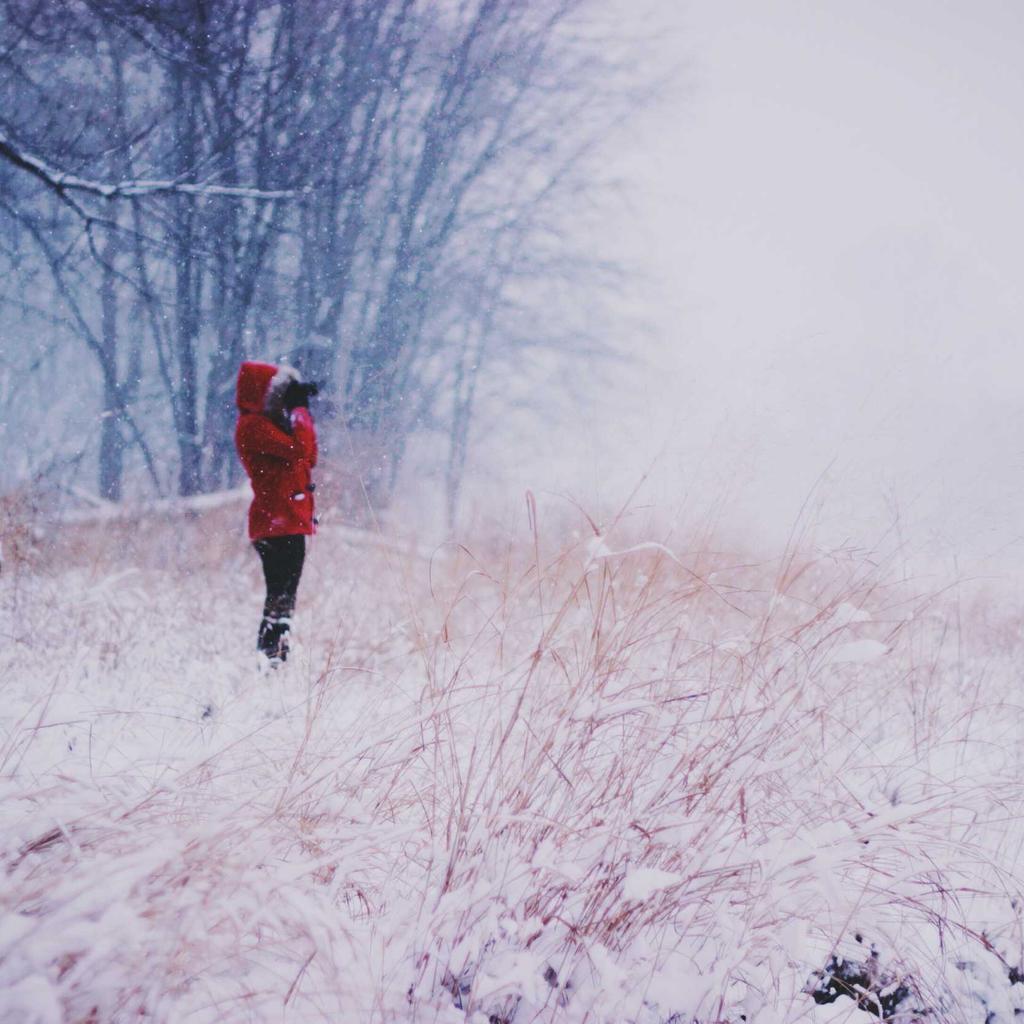
The single most useful thing I can tell you about this fits in one paragraph. But the nuance takes an article.
My pets have taught me as much about patience and consistency as anything else in my life. Getting Pet Photography right is not about perfection — it is about being attentive and willing to adjust your approach.
The Bigger Picture
A question I get asked a lot about Pet Photography is: how long does it take to see results? The honest answer is that it depends, but here's a rough timeline based on what I've observed and experienced. For more on this topic, see our guide on Practical Cold Weather Pet Care Advice f....
Weeks 1-4: You're learning the vocabulary and basic concepts. Progress feels slow but foundational knowledge is building. Months 2-3: Things start clicking. You can execute basic tasks without constant reference to guides. Months 4-6: Competence develops. You start noticing nuances in bonding time that were invisible before. Month 6+: Skills compound. Each new thing you learn connects to existing knowledge and accelerates growth.
Before you rush ahead, consider this angle.
Dealing With Diminishing Returns

If you're struggling with age-appropriate care, you're not alone — it's easily the most common sticking point I see. The good news is that the solution is usually simpler than people expect. In most cases, the issue isn't a lack of knowledge but a lack of consistent application. For more on this topic, see our guide on Practical Pet Insurance Selection Advice....
Here's what I recommend: strip everything back to the essentials. Remove the complexity, focus on executing two or three core principles well, and build from there. You can always add complexity later. But starting complex almost always leads to frustration and quitting.
Working With Natural Rhythms
Feedback quality determines growth speed with Pet Photography more than almost any other variable. Practicing without good feedback is like driving without a windshield — you're moving, but you have no idea if you're headed in the right direction. Seek out feedback that is specific, actionable, and timely.
The best feedback for routine building comes from people slightly ahead of you on the same path. Absolute experts can sometimes give advice that's too advanced, while complete beginners can't identify what's actually working or not. Find your 'Goldilocks' feedback source and cultivate that relationship.
Navigating the Intermediate Plateau
I want to challenge a popular assumption about Pet Photography: the idea that there's a single 'best' approach. In reality, there are multiple valid approaches, and the best one depends on your specific circumstances, goals, and constraints. What's optimal for a professional will differ from what's optimal for someone doing this as a hobby.
The danger of searching for the 'best' way is that it delays action. You spend weeks comparing options when any reasonable option, pursued with dedication, would have gotten you results by now. Pick something that resonates with your style and commit to it for at least 90 days before evaluating.
Quick note before the next section.
Measuring Progress and Adjusting
Something that helped me immensely with Pet Photography was finding a community of people on a similar journey. You don't need a mentor or a coach (though both can help). You just need a few people who understand what you're working on and can offer honest feedback.
Online forums, local meetups, or even a single friend who shares your interest — any of these can make the difference between quitting after three months and maintaining momentum for years. The journey is easier when you're not walking it alone.
Your Next Steps Forward
Let's address the elephant in the room: there's a LOT of conflicting advice about Pet Photography out there. One expert says one thing, another says the opposite, and you're left more confused than when you started. Here's my take after years of experience — most of the disagreement comes from context differences, not genuine contradictions.
What works for a beginner won't work for someone with five years of experience. What works in one situation doesn't necessarily translate to another. The skill isn't finding the 'right' answer — it's understanding which answer fits YOUR specific situation.
The Hidden Variables Most People Miss
One pattern I've noticed with Pet Photography is that the people who make the most progress tend to be systems thinkers, not goal setters. Goals tell you where you want to go. Systems tell you how you'll get there. The person who builds a sustainable daily system around grooming frequency will consistently outperform the person chasing a specific outcome.
Here's why: goals create a binary success/failure dynamic. Either you hit the target or you didn't. Systems create ongoing progress regardless of any single outcome. A bad day within a good system is still a day that moves you forward.
Final Thoughts
The journey is the point. Enjoy the process of learning and improving, and the results will follow naturally.