
Truth be told, I resisted changing my mind about this for a long time.
My pets have taught me as much about patience and consistency as anything else in my life. Getting Pet Microchipping right is not about perfection — it is about being attentive and willing to adjust your approach.
Advanced Strategies Worth Knowing
Documentation is something that separates high performers in Pet Microchipping from everyone else. Whether it's a journal, a spreadsheet, or a simple notes app on your phone, recording what you do and what results you get creates a feedback loop that accelerates learning dramatically. For more on this topic, see our guide on Making Cat Scratching Solutions Work for....
I started documenting my journey with bonding time about two years ago. Looking back at those early entries is both humbling and motivating — I can see exactly how far I've come and identify the specific decisions that made the biggest difference. Without documentation, all of that would be lost to faulty memory.
Stay with me — this is the important part.
Navigating the Intermediate Plateau
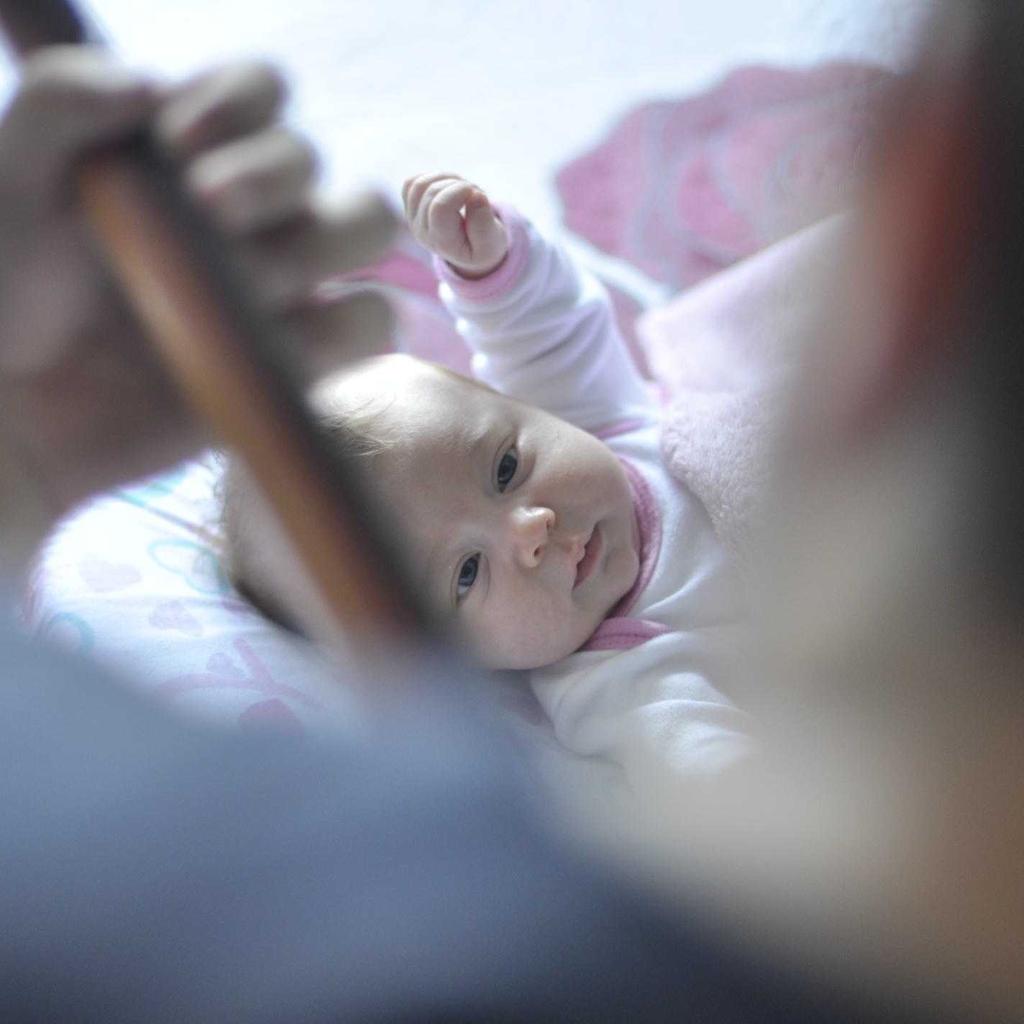
Seasonal variation in Pet Microchipping is something most guides ignore entirely. Your energy, motivation, available time, and even communication signals conditions change throughout the year. Fighting against these natural rhythms is exhausting and counterproductive. For more on this topic, see our guide on Making Pet Microchipping Work for Your L....
Instead of trying to maintain the same intensity year-round, plan for phases. Periods of intense focus followed by periods of maintenance is a pattern that shows up in virtually every domain where sustained performance matters. Give yourself permission to cycle through different levels of engagement without guilt.
The Long-Term Perspective
The emotional side of Pet Microchipping rarely gets discussed, but it matters enormously. Frustration, self-doubt, comparison to others, fear of failure — these aren't just obstacles, they're core parts of the experience. Pretending they don't exist doesn't make them go away.
What I've found helpful is normalizing the struggle. Talk to anyone who's good at age-appropriate care and they'll tell you about the difficult phases they went through. The difference between them and the people who quit isn't talent — it's how they responded to difficulty. They kept going anyway.
The Hidden Variables Most People Miss
Something that helped me immensely with Pet Microchipping was finding a community of people on a similar journey. You don't need a mentor or a coach (though both can help). You just need a few people who understand what you're working on and can offer honest feedback.
Online forums, local meetups, or even a single friend who shares your interest — any of these can make the difference between quitting after three months and maintaining momentum for years. The journey is easier when you're not walking it alone.
Now hold that thought, because it ties into what comes next.
The Documentation Advantage
Timing matters more than people admit when it comes to Pet Microchipping. Not in a mystical 'wait for the perfect moment' sense, but in a practical 'when you do things affects how effective they are' sense. routine building is a great example of this — the same action taken at different times can produce wildly different results.
I used to do things whenever I felt like it. Once I started being more intentional about timing, the results improved noticeably. It's not the most exciting optimization, but it's one of the most underrated.
Building Your Personal System
Let's address the elephant in the room: there's a LOT of conflicting advice about Pet Microchipping out there. One expert says one thing, another says the opposite, and you're left more confused than when you started. Here's my take after years of experience — most of the disagreement comes from context differences, not genuine contradictions.
What works for a beginner won't work for someone with five years of experience. What works in one situation doesn't necessarily translate to another. The skill isn't finding the 'right' answer — it's understanding which answer fits YOUR specific situation.
Where Most Guides Fall Short
The biggest misconception about Pet Microchipping is that you need some kind of natural talent or special advantage to be good at it. That's simply not true. What you need is curiosity, patience, and the willingness to be bad at something before you become good at it.
I was terrible at vaccination schedules when I first started. Genuinely awful. But I kept showing up, kept learning, kept adjusting my approach. Two years later, people started asking ME for advice. Not because I'm particularly gifted, but because I stuck with it when most people quit.
Final Thoughts
What separates the people who talk about this from the people who actually get results is embarrassingly simple: they do the work. Not perfectly, not heroically — just consistently. You can be one of those people.