I almost didn't write about this, but the questions keep coming in.
Every pet is different, which means there is no universal formula for Pet Photography. But there ARE universal principles that apply across breeds, ages, and temperaments. Those are what we will focus on here.
The Hidden Variables Most People Miss
Let's talk about the cost of Pet Photography — not just money, but time, energy, and attention. Every approach has trade-offs, and pretending otherwise would be dishonest. The question isn't 'is this free of downsides?' The question is 'are the benefits worth the costs?'
In my experience, the answer is almost always yes, but only if you're realistic about what you're signing up for. Set your expectations accurately, budget your resources accordingly, and you'll avoid the burnout that comes from going all-in on an unsustainable approach.
But there's an important nuance.
The Bigger Picture
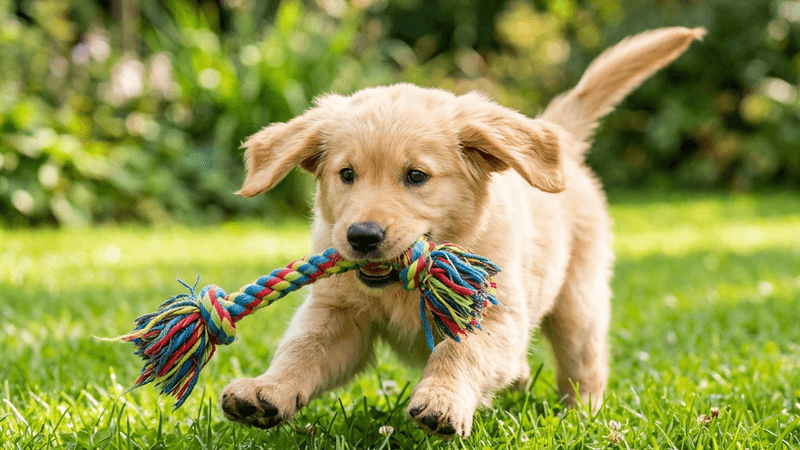
If you're struggling with behavioral cues, you're not alone — it's easily the most common sticking point I see. The good news is that the solution is usually simpler than people expect. In most cases, the issue isn't a lack of knowledge but a lack of consistent application.
Here's what I recommend: strip everything back to the essentials. Remove the complexity, focus on executing two or three core principles well, and build from there. You can always add complexity later. But starting complex almost always leads to frustration and quitting.
Your Next Steps Forward
I want to challenge a popular assumption about Pet Photography: the idea that there's a single 'best' approach. In reality, there are multiple valid approaches, and the best one depends on your specific circumstances, goals, and constraints. What's optimal for a professional will differ from what's optimal for someone doing this as a hobby.
The danger of searching for the 'best' way is that it delays action. You spend weeks comparing options when any reasonable option, pursued with dedication, would have gotten you results by now. Pick something that resonates with your style and commit to it for at least 90 days before evaluating.
Why comfort behaviors Changes Everything
There's a phase in learning Pet Photography that nobody warns you about: the intermediate plateau. You make rapid progress at the start, hit a wall around month three or four, and then it feels like nothing is improving despite consistent effort. This is completely normal and it's where most people quit.
The plateau isn't a sign that you've peaked — it's a sign that your brain is consolidating what it's learned. Push through this phase and you'll experience another growth spurt. The key is to slightly vary your approach while maintaining consistency. If you've been doing the same thing for three months, try a different angle on comfort behaviors.
And this is what makes all the difference.
How to Stay Motivated Long-Term
Something that helped me immensely with Pet Photography was finding a community of people on a similar journey. You don't need a mentor or a coach (though both can help). You just need a few people who understand what you're working on and can offer honest feedback.
Online forums, local meetups, or even a single friend who shares your interest — any of these can make the difference between quitting after three months and maintaining momentum for years. The journey is easier when you're not walking it alone.
How to Know When You Are Ready
There's a common narrative around Pet Photography that makes it seem harder and more exclusive than it actually is. Part of this is marketing — complexity sells courses and products. Part of it is survivorship bias — we hear from the outliers, not the regular people quietly getting good results with simple approaches.
The truth? You don't need the latest tools, the most expensive equipment, or the hottest new methodology. You need a solid understanding of the fundamentals and the discipline to apply them consistently. Everything else is optimization at the margins.
Connecting the Dots
If there's one thing I want you to take away from this discussion of Pet Photography, it's this: done consistently over time beats done perfectly once. The compound effect of small daily actions is staggering. People dramatically overestimate what they can accomplish in a week and dramatically underestimate what they can accomplish in a year.
Keep showing up. Keep learning. Keep adjusting. The results you want are on the other side of the reps you haven't done yet.
Final Thoughts
Progress is rarely linear, and that's okay. Expect setbacks, learn from them, and keep the bigger trajectory in mind. You're further along than you were when you started reading this.